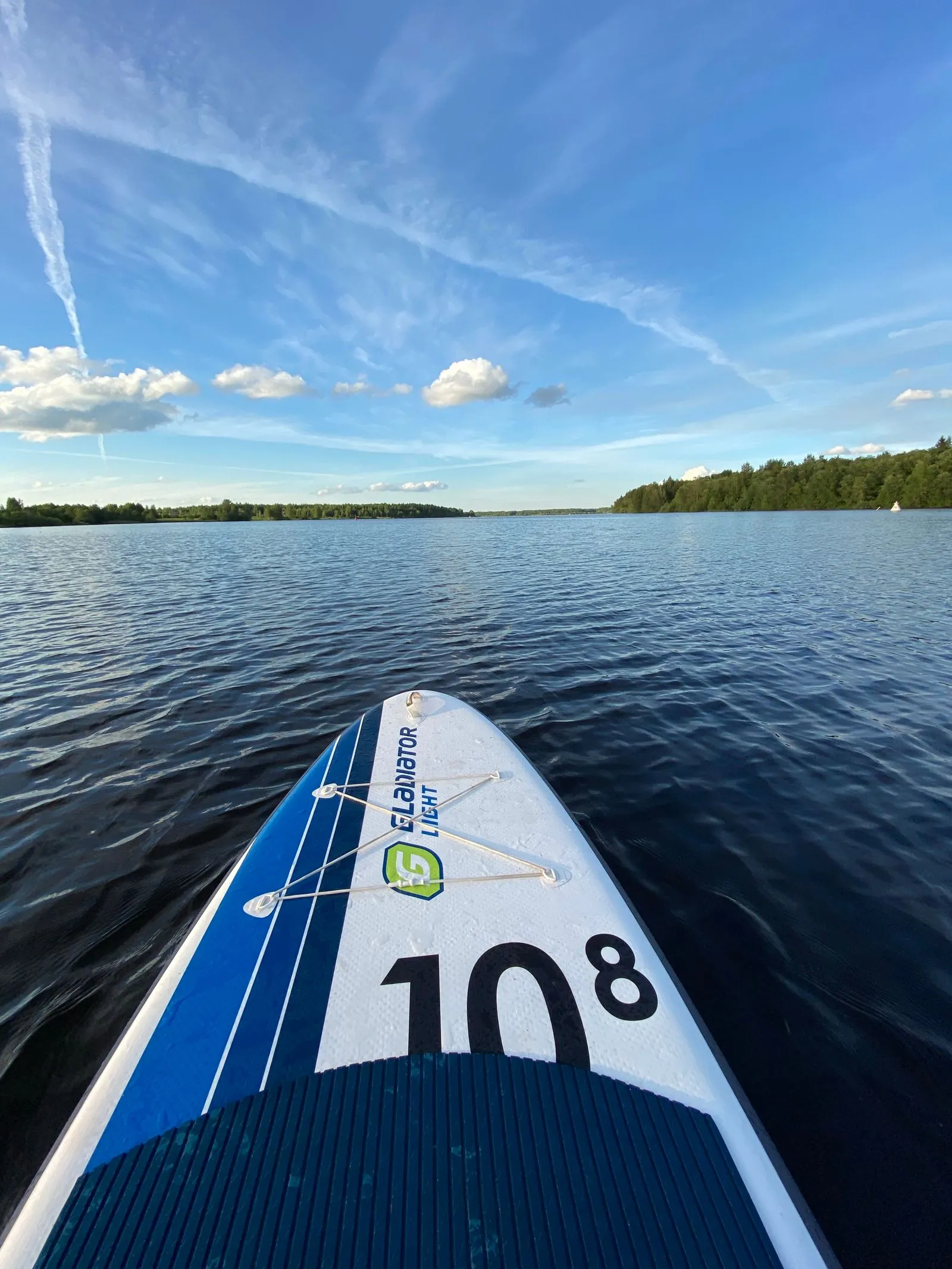
Ask people why they want to buy land in Florida, and a lot of them will tell you the same thing: they want to be close to the water. Not just the beach, but the clear springs, quiet rivers, and spring-fed ponds that make Florida one of the best places in the country to kayak, paddleboard, and snorkel.
The problem is that waterfront property in Florida is expensive, crowded, and often comes with flood zones and high insurance costs. The good news is that you don't need a dock in your backyard to live a life on the water. In the Florida Panhandle, and especially around Marianna in Jackson County, you can own 10+ acres of private land and still be minutes from some of the clearest water in the state.
Here's where to paddle and snorkel near Marianna, what to look for when buying land near springs and rivers, and why "near the water" is often the smarter buy than "on the water."
Why Buy Land Near Springs and Rivers in Florida?
Florida has more than 1,000 freshwater springs, one of the largest concentrations in the world, and many of them feed rivers and ponds that are perfect for paddling. The water in a spring stays close to the same temperature all year (around 70 degrees in North Florida), so the season for kayaking, paddleboarding, and snorkeling runs far longer than you might expect.
Buying land near this kind of water gives you:
- Year-round outdoor recreation within a short drive of home
- Room to store your gear, from kayaks and paddleboards to a boat trailer, without an HOA telling you where to park it
- Privacy and space on your own acreage, instead of a small lot packed between neighbors
- Long-term appeal, since land near natural attractions tends to stay in demand with families, retirees, and outdoor enthusiasts
Merritt's Mill Pond: The Best Paddleboarding and Snorkeling Near Marianna
If there's one spot that sums up life near the water in Jackson County, it's Merritt's Mill Pond. This long, spring-fed pond stretches roughly four miles east of Marianna and is fed by Jackson Blue Spring, one of Florida's first-magnitude springs. The result is water so clear you can often see the sandy bottom, eelgrass, and fish from the surface of your board.
Paddleboarding: The pond is calm, sheltered by cypress trees, and has very little current, which makes it one of the easiest and most scenic places in the Panhandle to stand-up paddleboard. Beginners love it, and experienced paddlers can cover miles of shoreline in a morning.
Kayaking: Paddle the length of the pond past cypress knees and Spanish moss, and watch for turtles, wading birds, and fish below you.
Snorkeling: The clear water near the head of the spring is a favorite for snorkelers. Bring a mask and fins and you'll see fish, aquatic plants, and the limestone around the spring. The cave system beneath Jackson Blue is famous among certified cave divers, but the caves themselves are for trained divers only, so snorkelers should stay in the open water.
Fishing: Merritt's Mill Pond is also known for producing trophy-sized redear sunfish (shellcracker), so a fishing rod is worth bringing along on your kayak.
Blue Springs Recreation Area: Swimming and Snorkeling at the Spring
At the head of Merritt's Mill Pond, the county-run Blue Springs Recreation Area is where local families go to cool off. The spring-fed swimming area has crystal-clear water, a sandy beach, diving boards, and picnic pavilions. It's a great place for kids to try snorkeling for the first time in calm, shallow water.
The swimming area is typically open in the warmer months, so check Jackson County's current schedule and fees before you visit.
Kayaking the Chipola River
The Chipola River is one of the most beautiful paddling rivers in Florida. It starts near Florida Caverns State Park just north of Marianna and flows south through Jackson and Calhoun counties, with a designated paddling trail that runs for roughly 50 miles. Along the way you'll see limestone bluffs, small springs bubbling up along the banks, hardwood forest, and plenty of wildlife.
What makes the Chipola great for kayakers and canoers:
- Clear, spring-fed water in many stretches
- Gentle current that's friendly to beginners, with a few shoals that add some fun
- Local outfitters that rent kayaks, canoes, and tubes and run shuttles, so you can paddle one way and get a ride back
- Easy day trips, whether you have an hour or a whole afternoon
Inside Florida Caverns State Park, you can also paddle a calm stretch of the Chipola, swim at the Blue Hole spring area, and tour the only dry cave in Florida open to the public.
More Springs and Rivers Within an Easy Drive
One of the biggest perks of owning land in Jackson County is how many great paddling and snorkeling spots are within an hour or so of home:
- Three Rivers State Park and Lake Seminole near Sneads: kayaking, boating, and some of the best bass fishing in the region
- Holmes Creek and Cypress Spring near Vernon: a spring-fed creek with clear blue water that's popular with paddlers and snorkelers
- Morrison Springs in Walton County: a spring with clear water that's popular for snorkeling, swimming, and paddleboarding
- Ponce de Leon Springs State Park: a spring-fed swimming area that stays cool all summer
- Econfina Creek north of Panama City: a winding, spring-fed creek with several springs along its banks
- St. Andrews State Park in Panama City Beach: saltwater snorkeling near the jetties, with the Gulf of Mexico about an hour and a half from Marianna
With a home base on your own acreage, you could spend a different weekend at a different spring for months.
Near the Water vs. On the Water: Why Nearby Acreage Is the Smarter Buy
Waterfront property sounds like a dream, but it comes with real trade-offs. Before you pay a premium for a lot on a river or spring, think about these:
- Price. Waterfront lots often cost several times more per acre than land just a mile or two away. For the same budget, you can usually buy far more acreage near the water than on it.
- Flood zones and insurance. Land along rivers often sits in a FEMA flood zone, which can mean required flood insurance, higher building costs, and limits on where you can build. Always check the flood map before you buy.
- Setbacks and permits. Building near springs, rivers, and wetlands often comes with environmental setbacks and extra permitting.
- Public traffic. Popular springs and rivers draw crowds, especially on summer weekends. Living a mile away gives you access without the noise.
- Privacy. On 10+ acres, you have room for a home, a workshop, a garden, or horses, with trees and space between you and your neighbors.
For most buyers, the sweet spot is private acreage on higher, drier ground a few minutes from the water. You get the lifestyle without the cost and headaches that can come with a waterfront lot.
What to Look For When Buying Land Near Springs and Rivers
If you're shopping for recreational land near the water in Florida, here's a quick checklist:
- Check the flood zone. Look up the parcel on FEMA's flood map and ask whether any part of it sits in a special flood hazard area.
- Confirm road access. Make sure the parcel has legal road frontage, so you can get a truck and trailer in and out easily.
- Think about gear storage. Will you want a barn, carport, or workshop for kayaks, paddleboards, and a boat? Check zoning and any deed restrictions.
- Measure the drive. Map how long it takes to reach your favorite launch points. A few minutes makes it easy to get out on the water before or after work.
- Ask about utilities. Find out whether power is nearby and whether you'll need a well and septic system.
- Get a survey and title work. A boundary survey and clear title protect you and make the rest of the process easier.
For a deeper dive, read 10 Things to Consider Before Buying Land in Florida and The Complete Guide to Buying Land in Florida.
Tips for Kayaking, Paddleboarding, and Snorkeling in Florida Springs
Once you own land near the water, you'll be out there a lot. A few tips to make the most of it:
- Go early. Springs are calmest and least crowded in the morning, and the light makes the water look its clearest.
- Wear a life jacket. Florida law requires a wearable life jacket on board for each person on a kayak, canoe, or paddleboard used beyond swimming areas.
- Use a dive flag. When snorkeling in areas open to boats, Florida requires a divers-down flag to warn boaters you're in the water.
- Protect the spring. Stay off the eelgrass and limestone, don't disturb the sandy bottom, and pack out everything you bring in.
- Check conditions. Heavy rain can cloud rivers and raise water levels, so check conditions before a trip.
Own Acreage About a Mile from Blue Springs
We developed Blue Springs Ranch for buyers who want exactly this lifestyle. The community offers 23 individually surveyed parcels, each 10 to 17 acres, just outside Marianna and about a mile from Blue Springs Recreation Area and Merritt's Mill Pond. That means you can load up a paddleboard or kayak and be on some of the clearest water in Florida in a few minutes.
Every parcel comes with surveyed boundaries, completed title work, a warranty deed, and road frontage, and our team guides buyers from reservation through closing. If you're wondering how to pay for it, see How to Finance Land in Florida: 6 Ways to Fund Your Purchase, or read more about the area in Things to Do Near Marianna, FL.
Reserve your lot at Blue Springs Ranch or contact our team to find your piece of Florida near the water with Westshore Land Sales.